Local specialties

Sicily in eight products to taste

Cannolo, cassata, Bronte pistachio, Nero d’Avola, Pantelleria capers, Marsala, Castelvetrano olives and Sicilian honey: eight real products, with the area they come from and how to look for them. This is a guide, not a shop.

The guide to Sicilian specialties

Every card says three things: what the product is, where it comes from and how it is used. Then a link that opens the map on the place of origin.

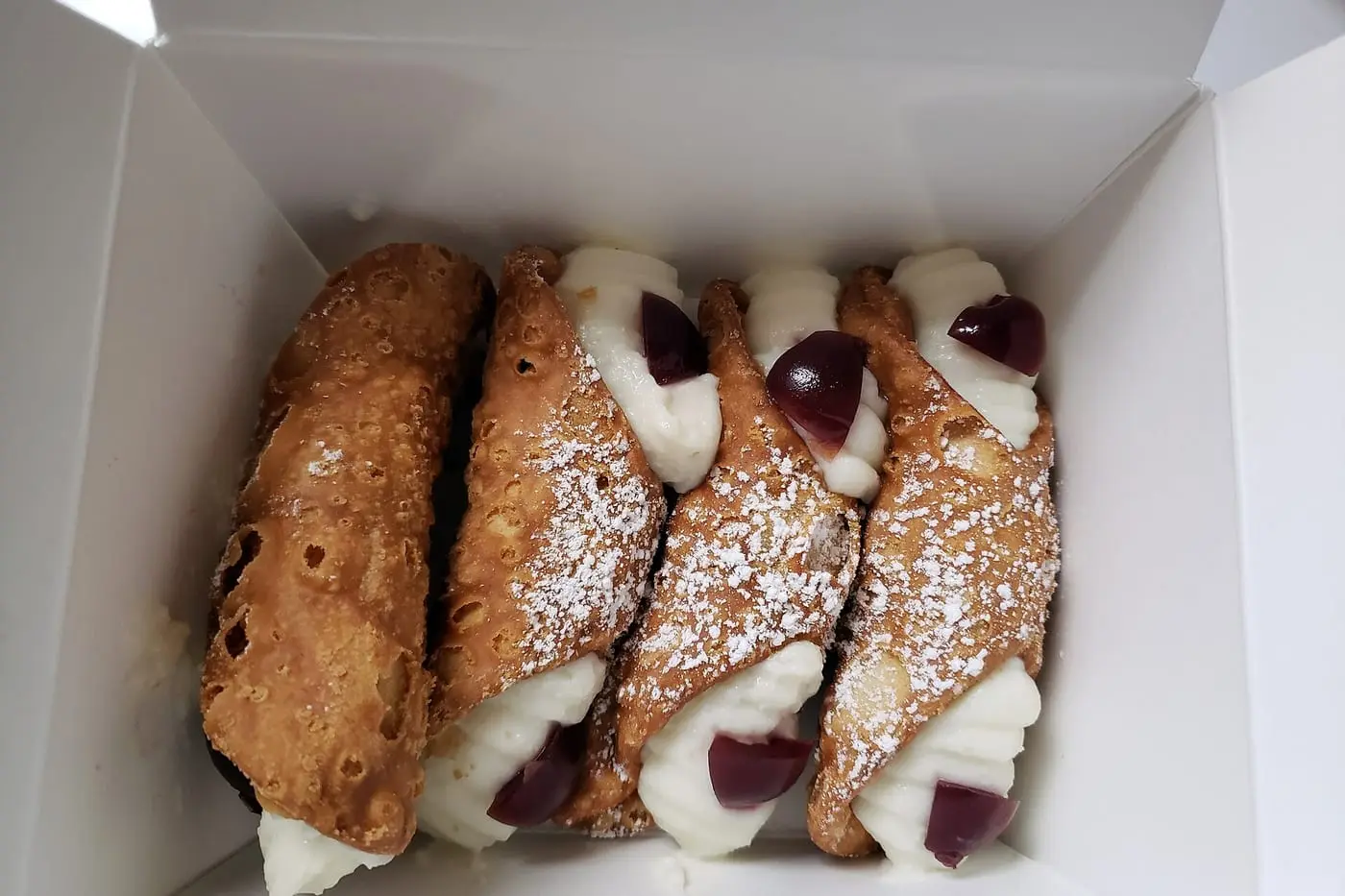
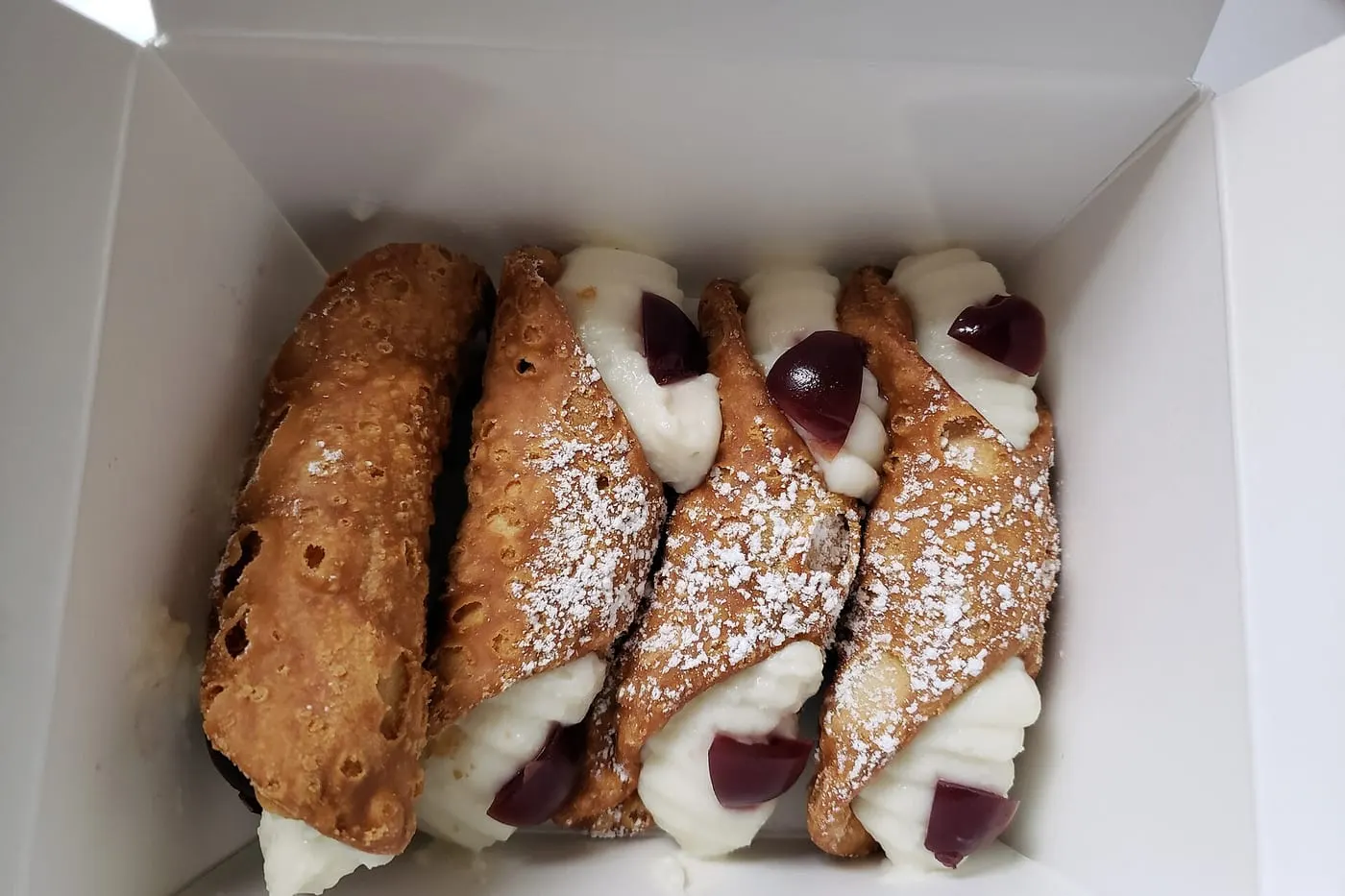
Fried Sicilian cannoli in a box, filled with ricotta and candied cherry
Sweets P.A.T.

Sicilian cannolo

Origin: Caltanissetta and Palermo

The fried pastry shell wraps sweetened sheep’s-milk ricotta: the sweet was born around Caltanissetta and took its final form in Palermo’s pastry shops. Today it is a P.A.T., and in eastern Sicily it is made with iblea ricotta, a milder cow’s-milk ricotta. It is eaten fresh, straight after frying, because the ricotta soaks up the moisture and the shell loses its crunch.
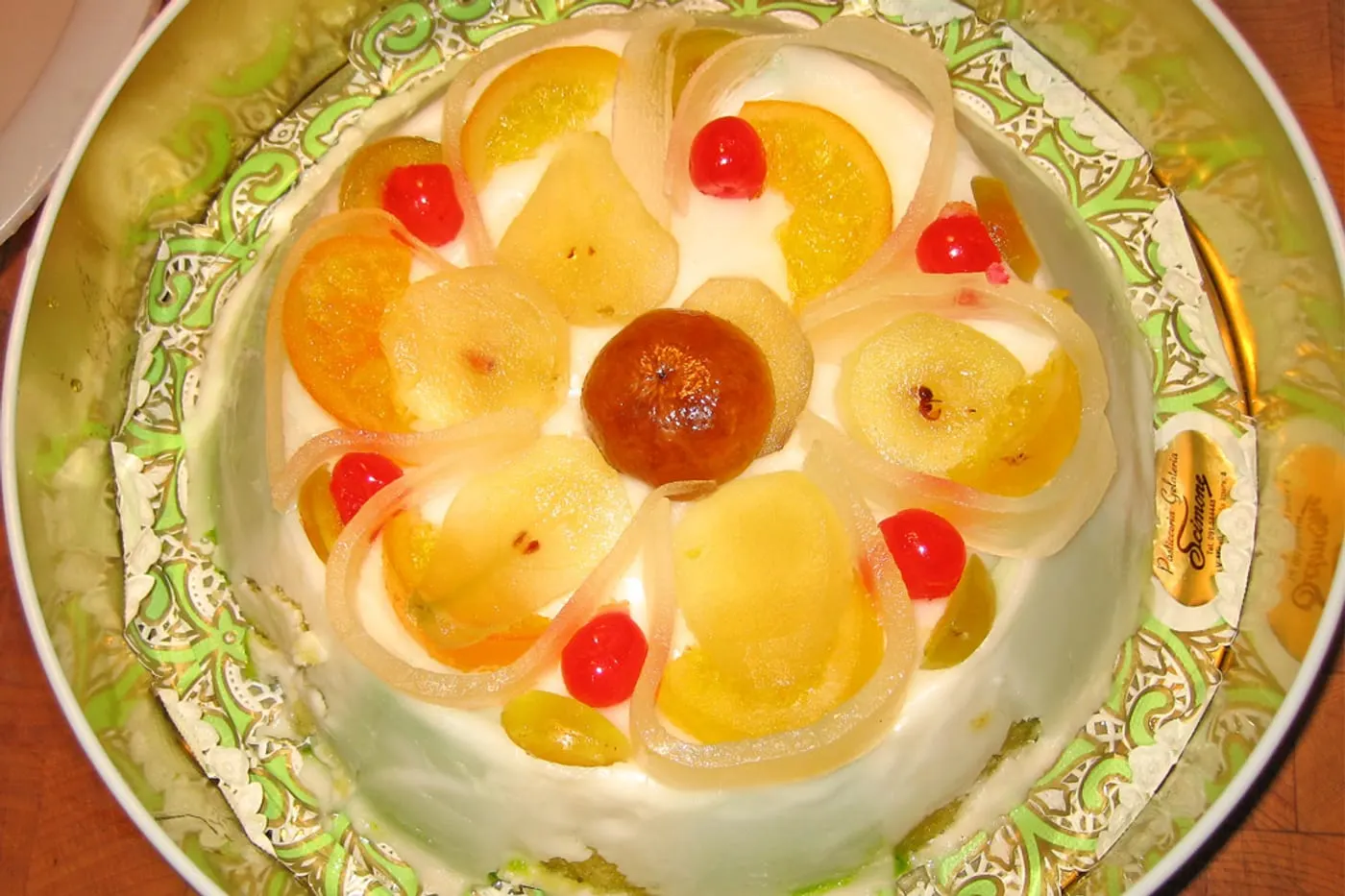
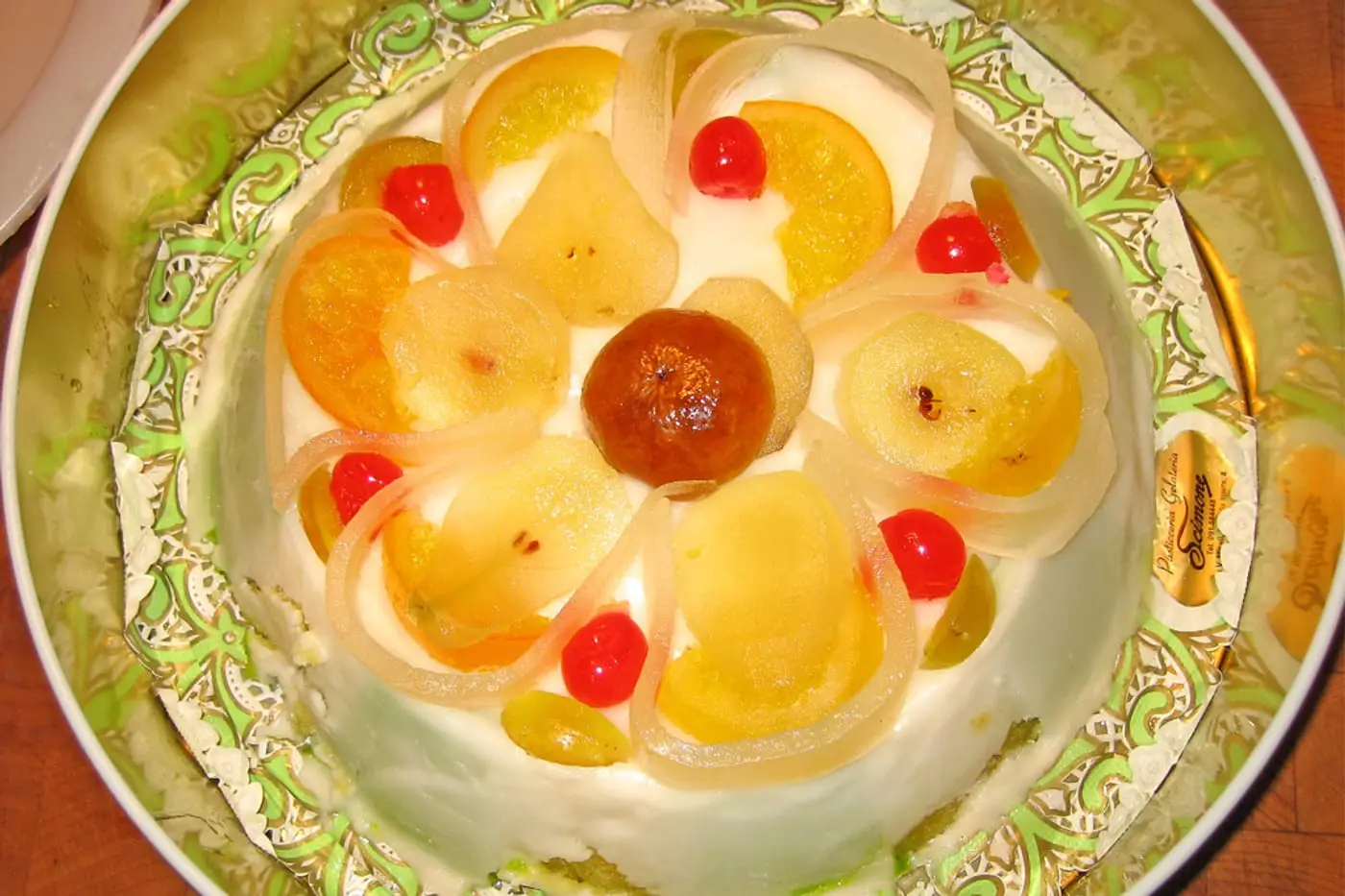
Sicilian cassata seen from above, with candied fruit and green marzipan
Sweets P.A.T.

Sicilian cassata

Origin: Palermo and eastern Sicily

Sugared ricotta, sponge cake soaked in wine, marzipan paste and candied fruit: the cassata is a cold cake, served at Easter. It was born in the kitchens of Palermo’s monasteries — the marzipan paste of the Martorana nuns — and is recognised as a P.A.T. Local versions exist: the Syracuse one layers the sponge cake and drops the icing.

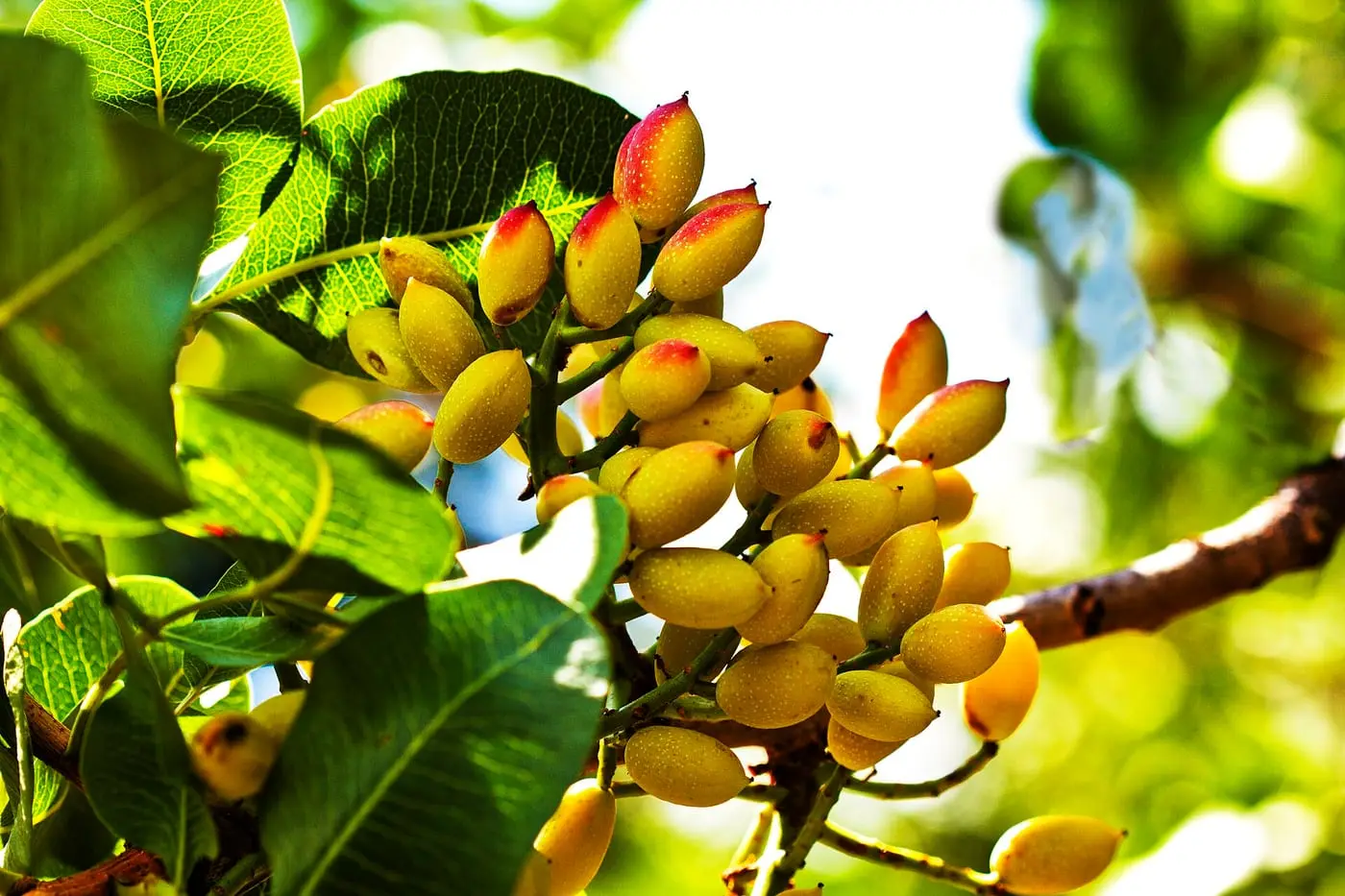
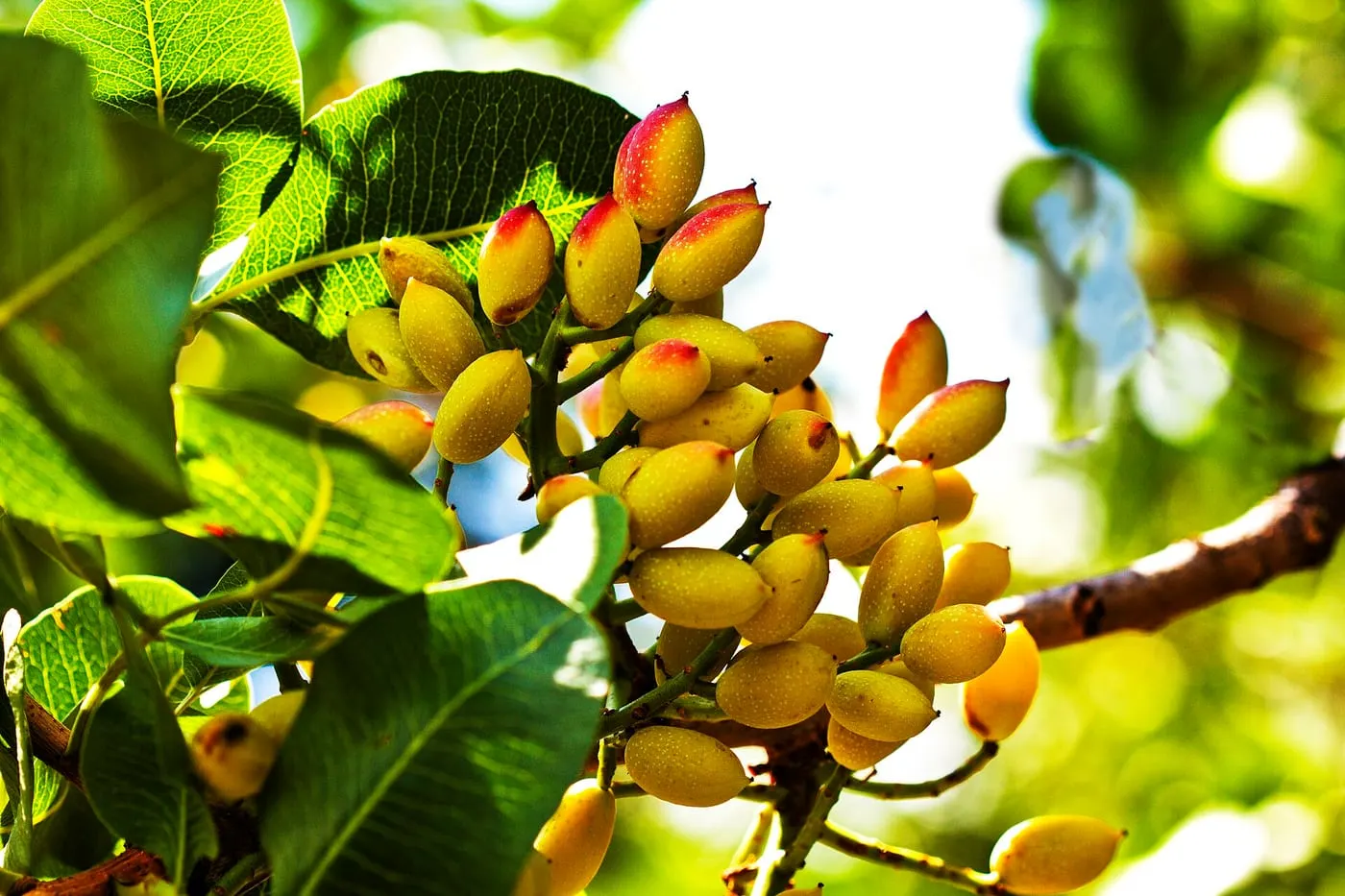
Clusters of green Bronte pistachios with the nuts still closed
Ingredients DOP

Bronte pistachio

Origin: Bronte, on the volcano

On the volcano of Bronte the shell opens on its own and the pistachio is harvested by hand: the “Pistacchio Verde di Bronte” variety holds DOP status and its production area is the municipality of Bronte. It is the most prized ingredient in cassate, pastries and ice creams, and it also stands up to aged cheese. In August, at harvest time, Bronte celebrates the pistachio.

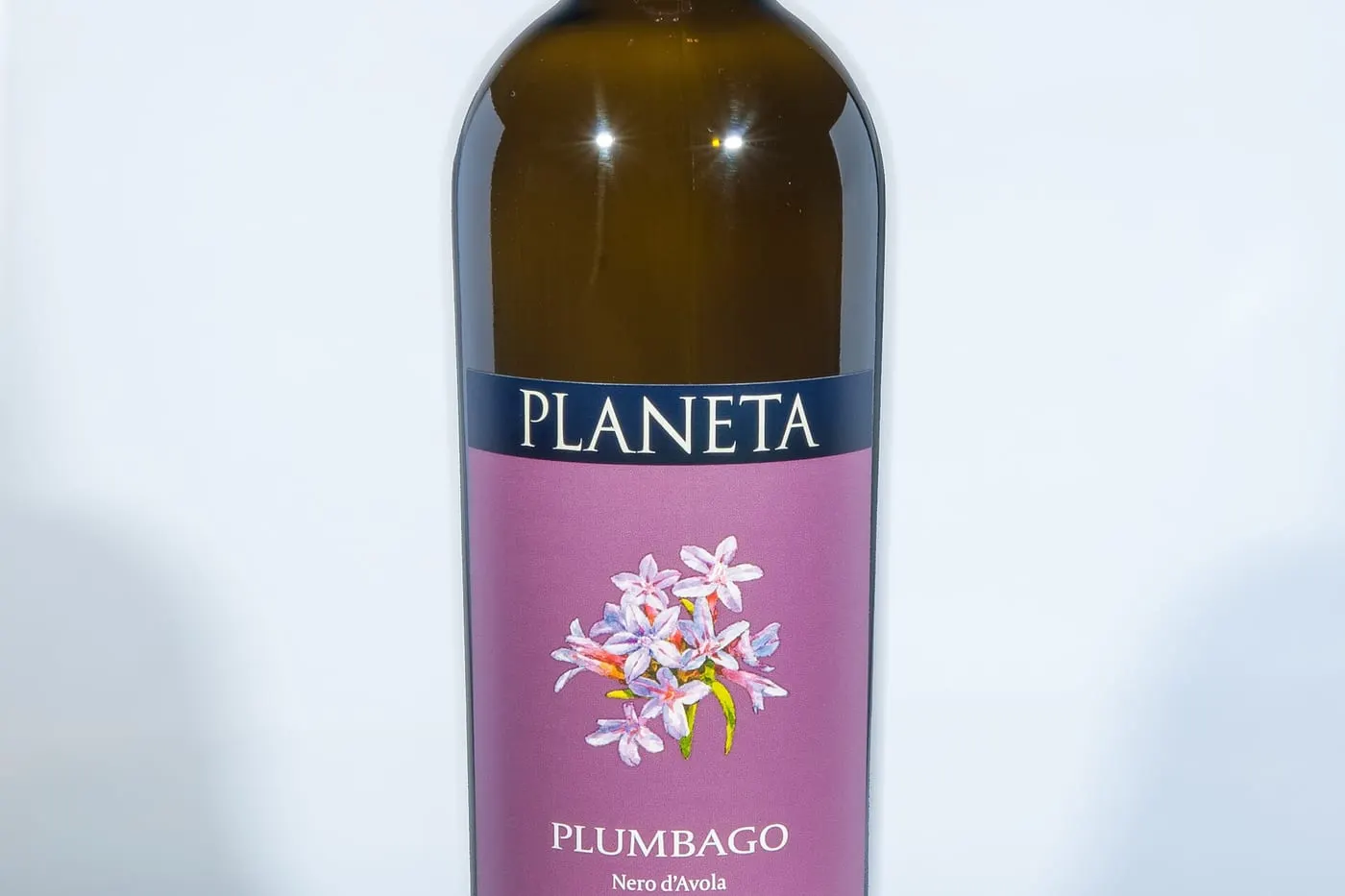
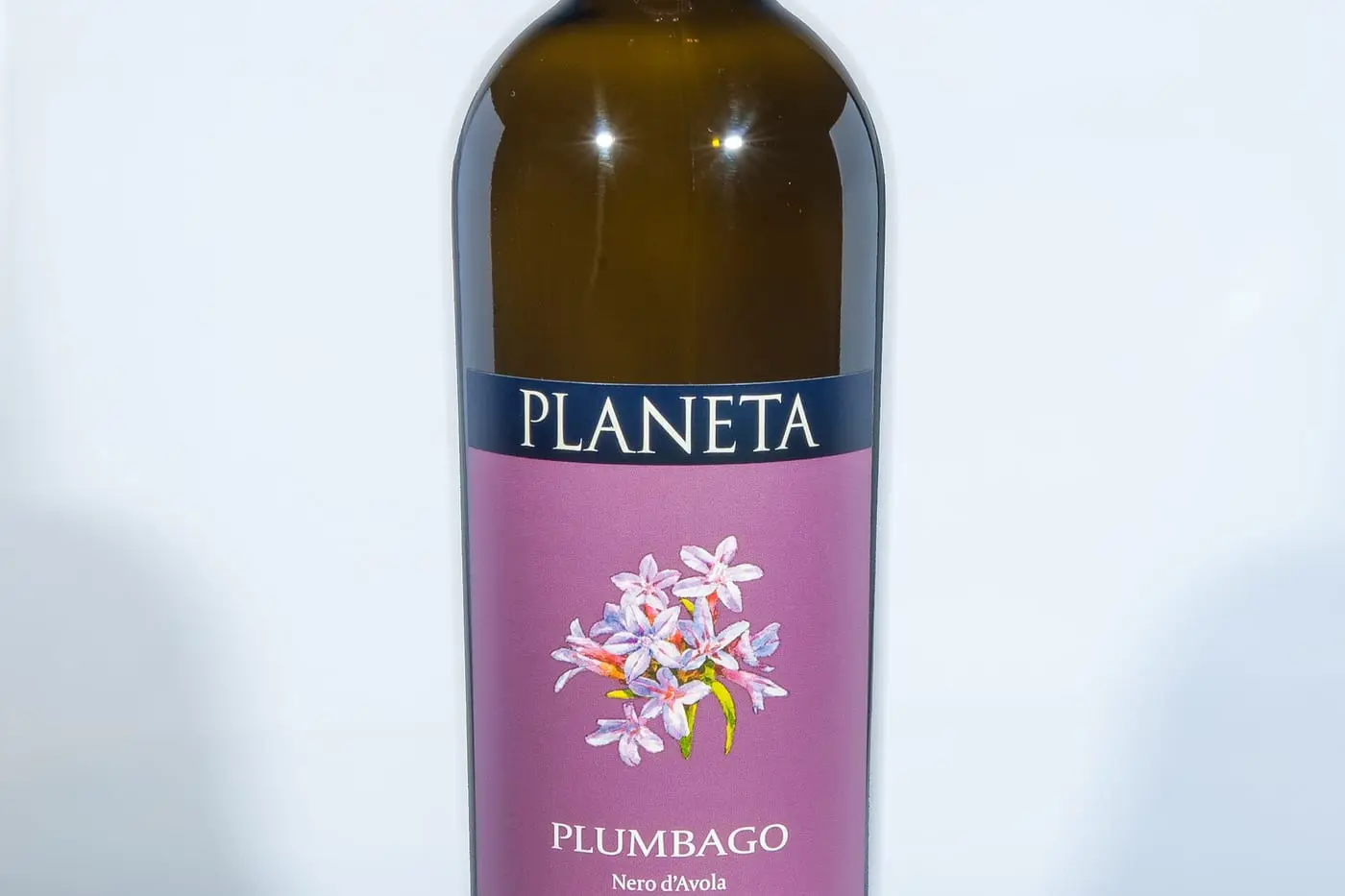
Bottle of Nero d’Avola with a purple label
Wine and oil DOC

Nero d’Avola

Origin: Avola, province of Syracuse

It is the red grape symbol of Syracuse: it grows on terraces of volcanic sand and gives a dark, spicy red that softens and grows fragrant with age. It is the base of the Avola DOC, and the Marsala DOC also allows it in its reds. It is drunk with grilled fish, with lamb and with aged cheese.

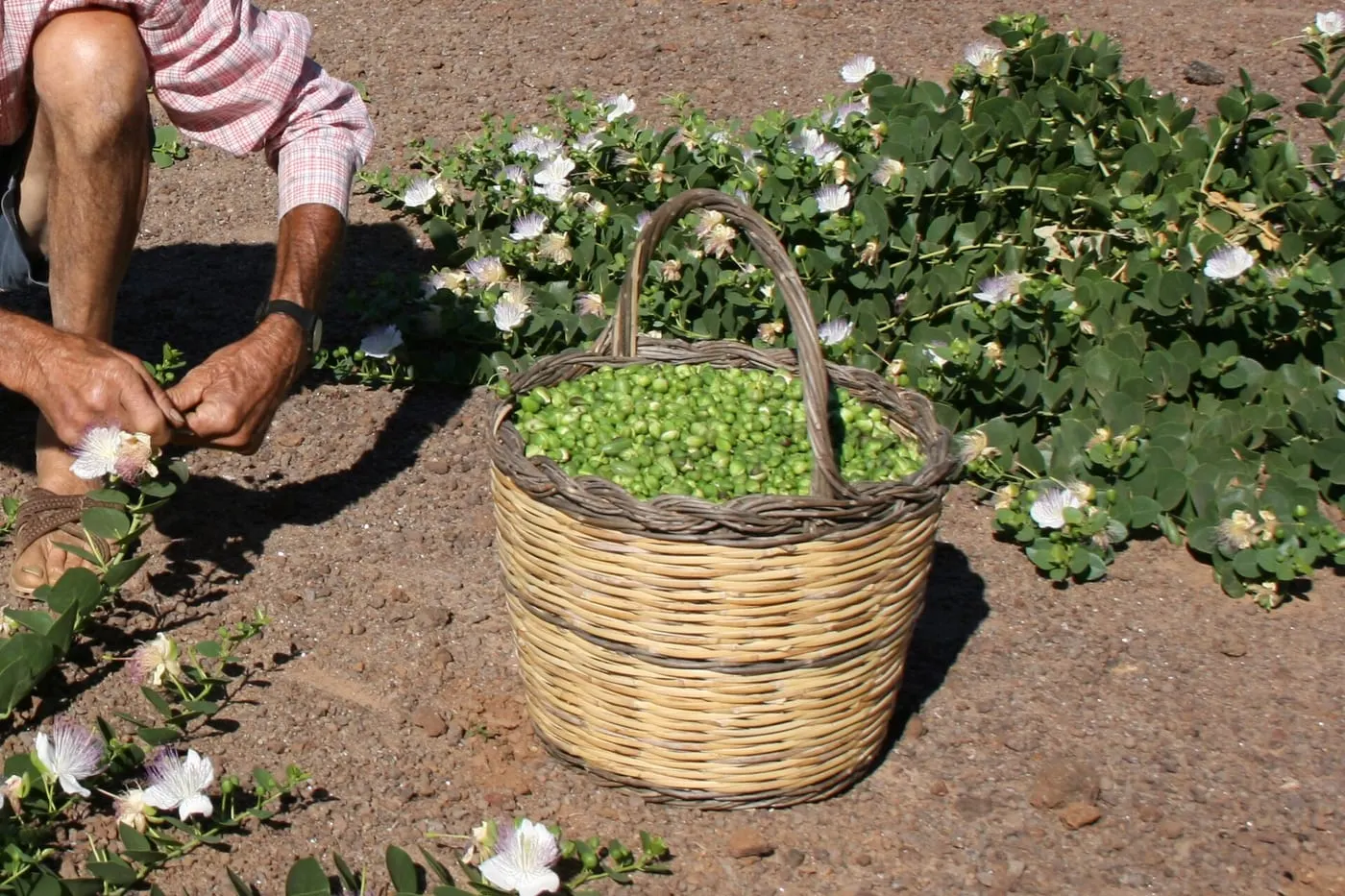
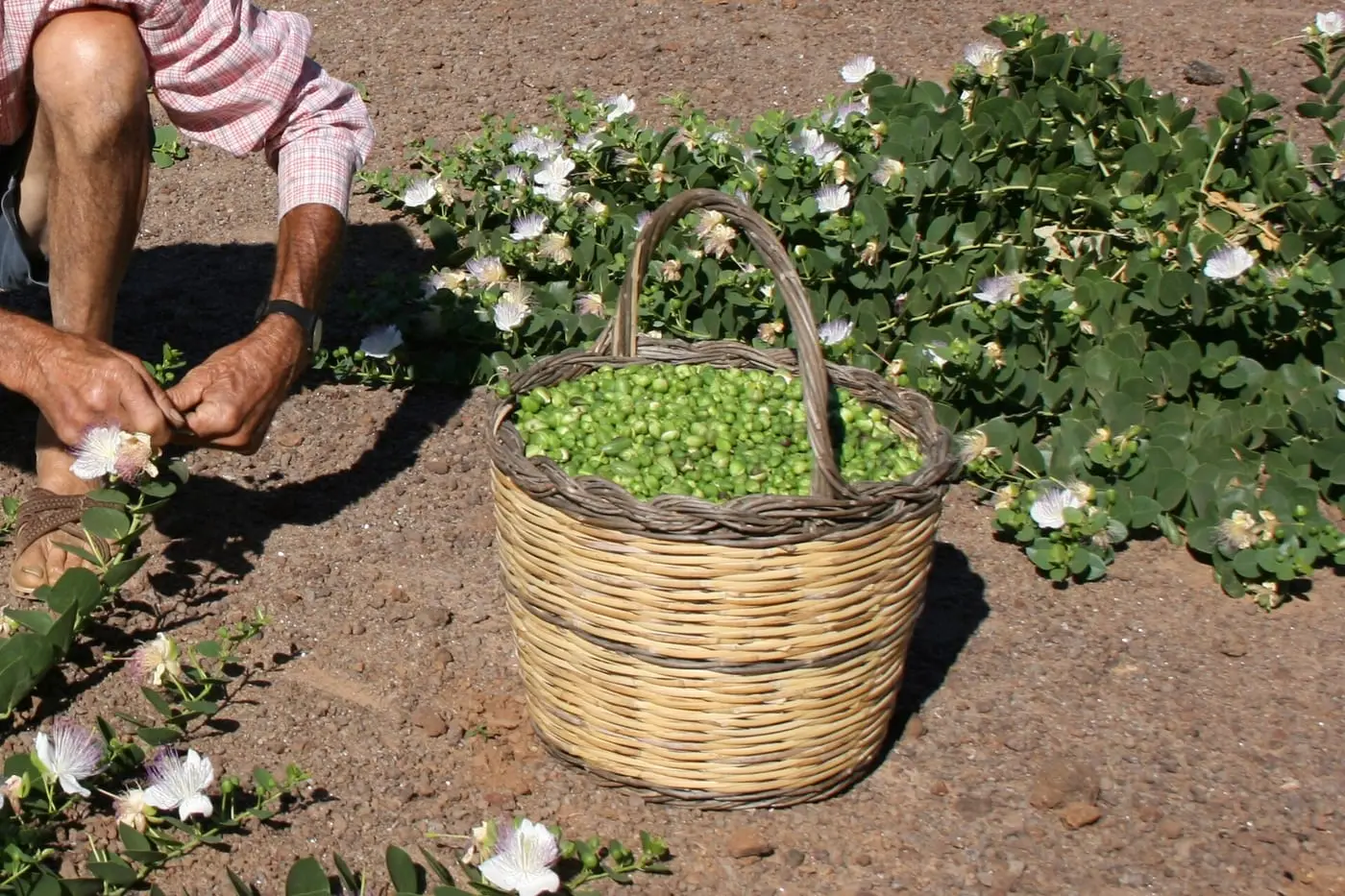
Basket of green capers freshly picked on Pantelleria
Preserves IGP

Pantelleria capers

Origin: Pantelleria

On Pantelleria the caper bush grows in the ground, among dry-stone walls and volcanic rock, and the fruits are picked by hand and brined: the IGP recognises only the ones from the island. They are sharply savoury, salty and tangy, and they are the ingredient in caponata and pasta with capers. The island also grows the white wine from Zibibbo grapes.

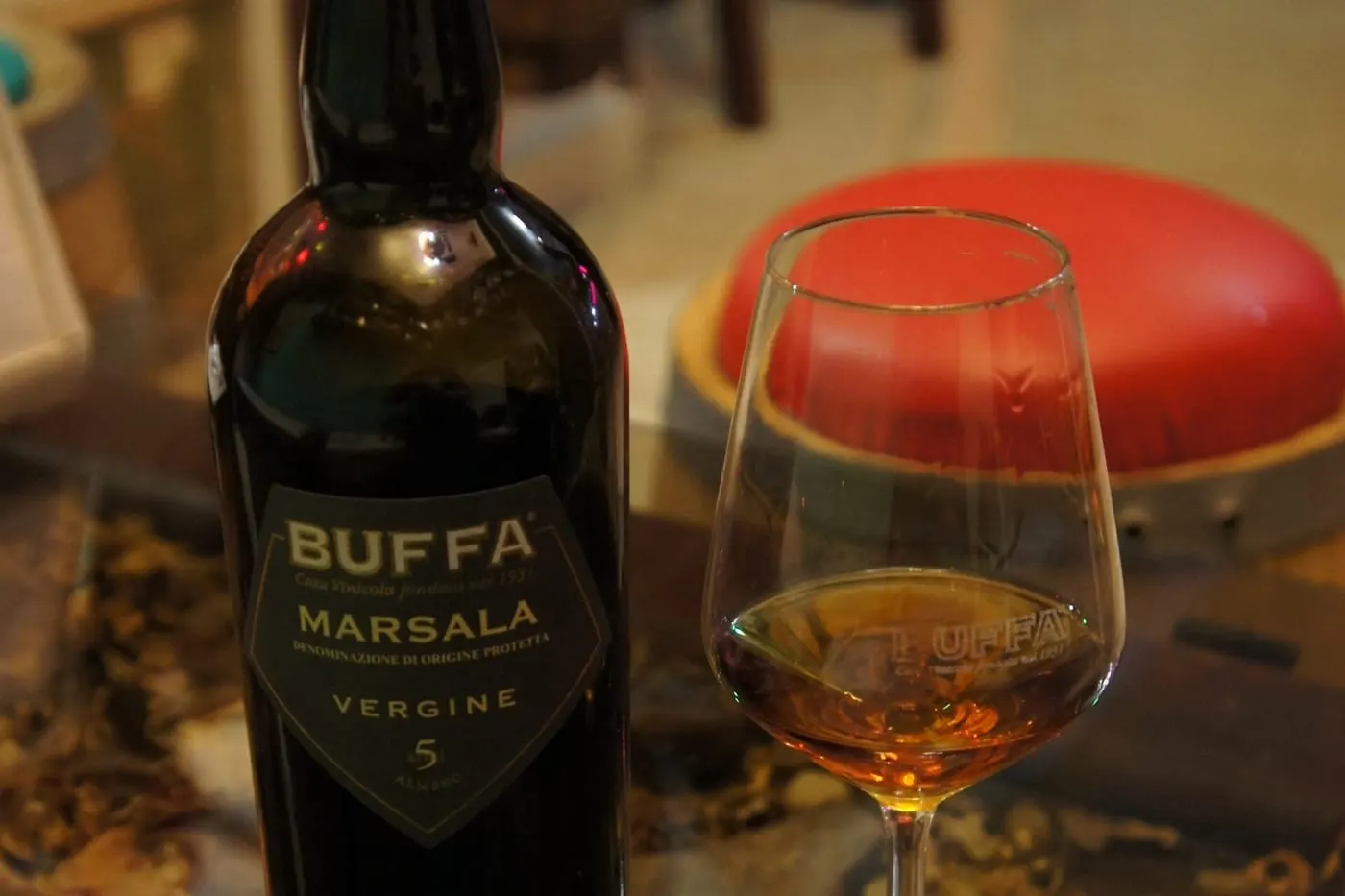
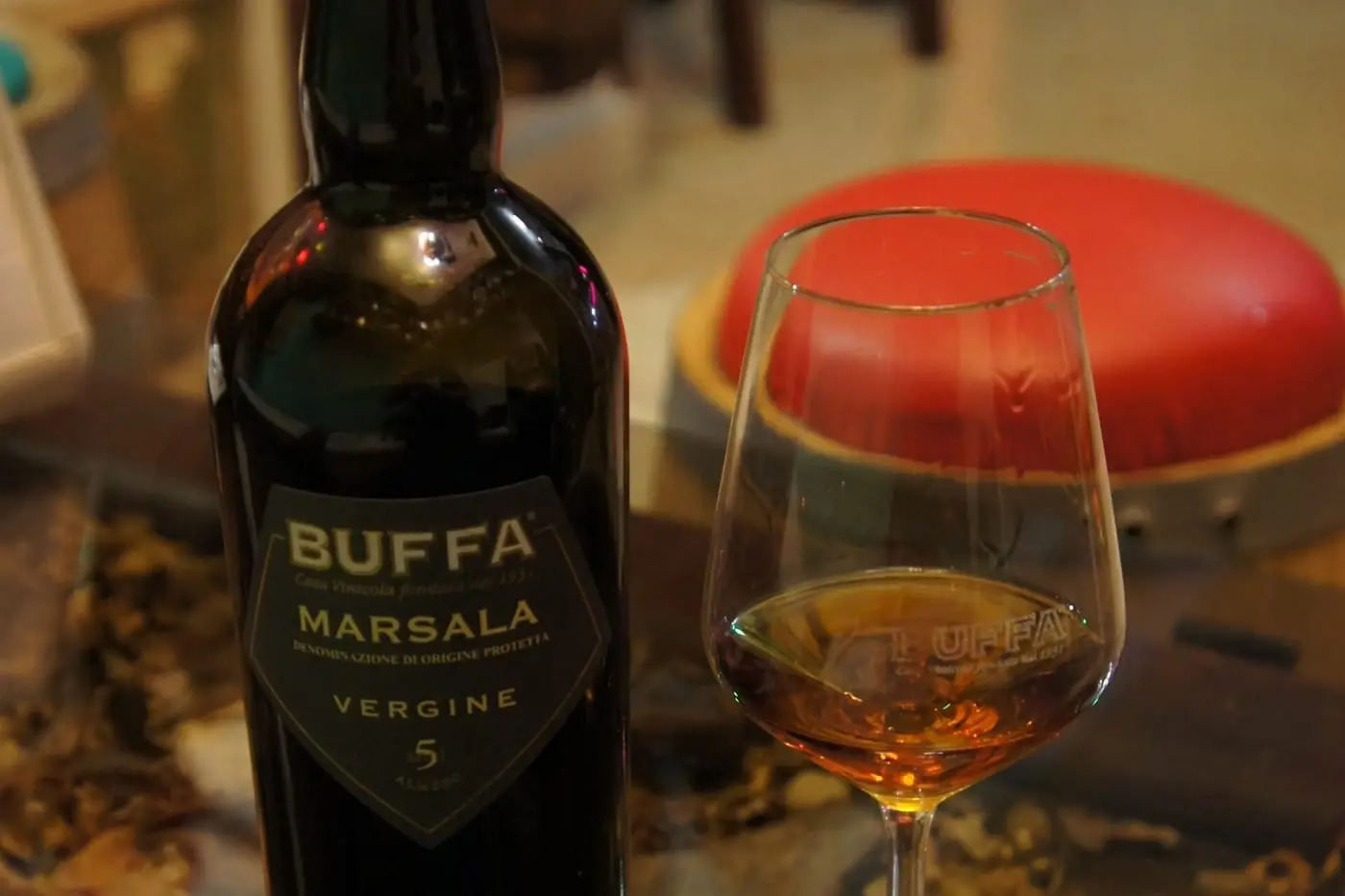
Bottle of Marsala Vergine with a glass of wine beside it
Wine and oil DOC

Marsala

Origin: Marsala, in the Trapani area

It is a fortified wine with Controlled Origin Denomination since 1969, the second DOC ever granted in Italian wine history: it is made from cooked wine aged under strict rules. The categories run from Fine to Vergine, up to the Stravecchio aged ten years. It is the wine of meat dishes and inland cooking, and its sweetness pairs with aged cheese.

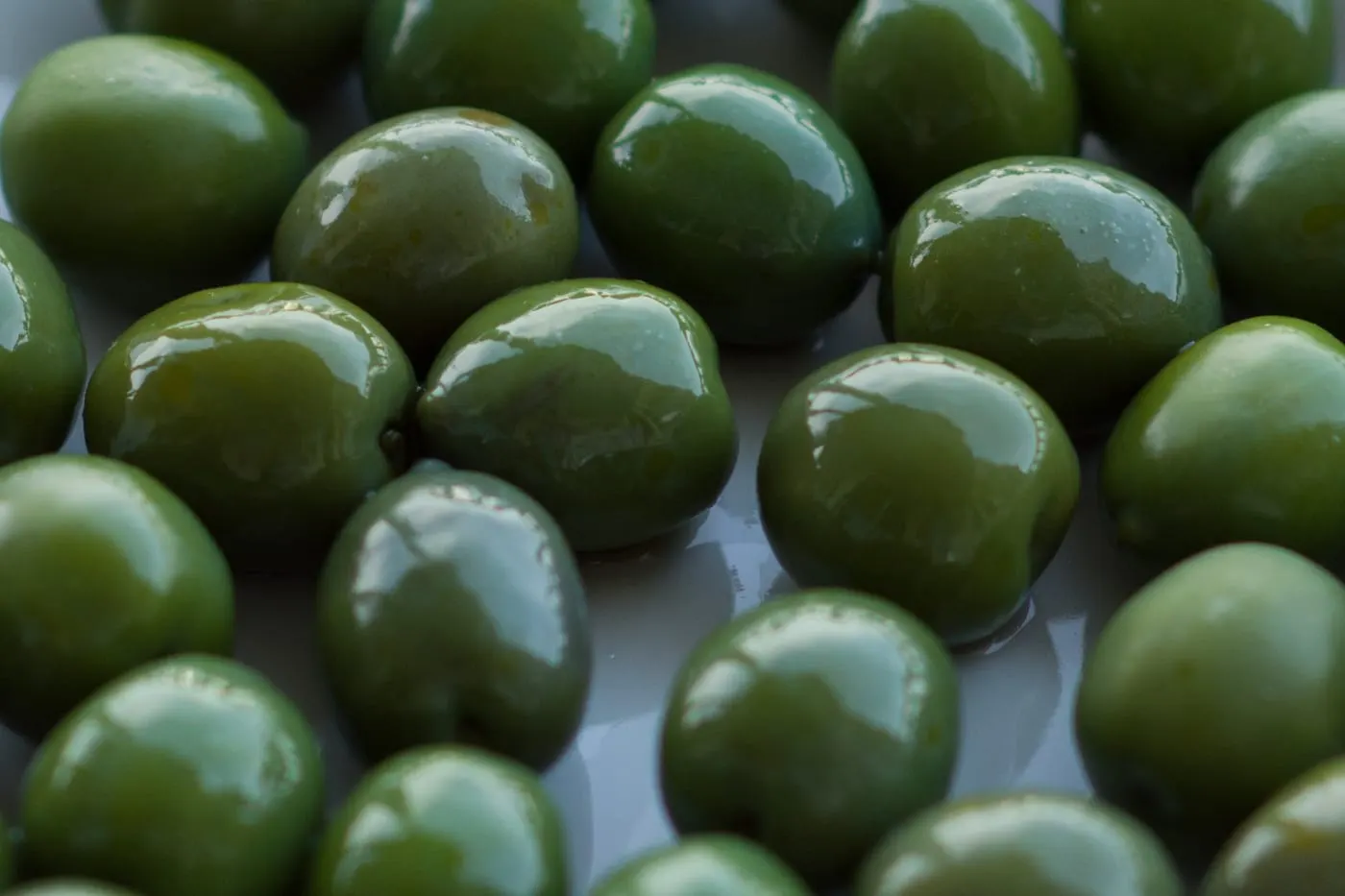
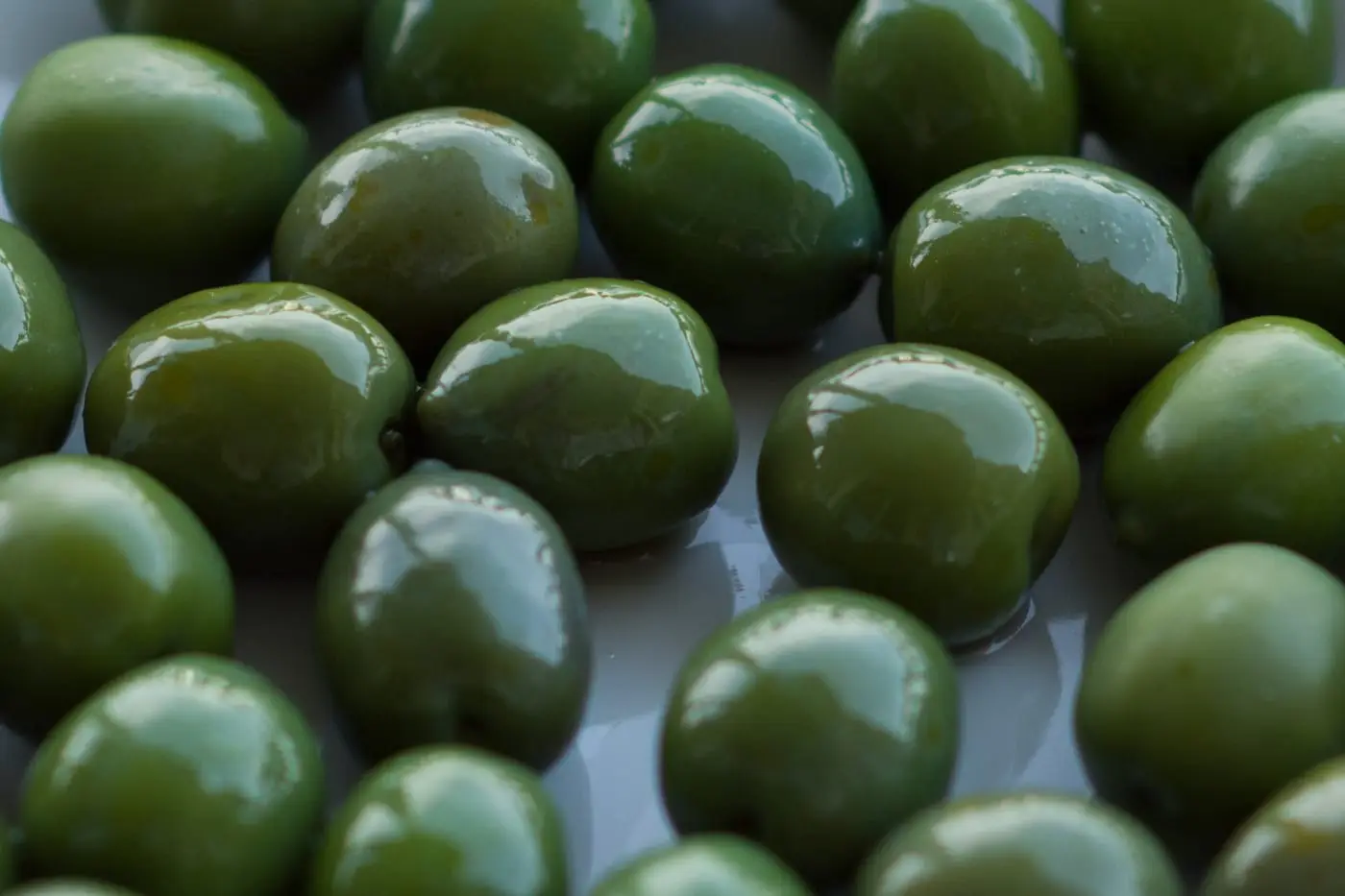
Green Castelvetrano olives in brine
Preserves DOP

Castelvetrano olives

Origin: The Belice Valley, in the Trapani area

The Nocellara del Belice cultivar, known as Castelvetrano olives, holds DOP status both for the oil and for the table olives: it grows in the Belice Valley, between Partanna, Castelvetrano and Campobello di Mazara. The green olives, stoned and brined, are a simple antipasto and are used in cooking too. The same olives give a delicate, bitter extra virgin olive oil.

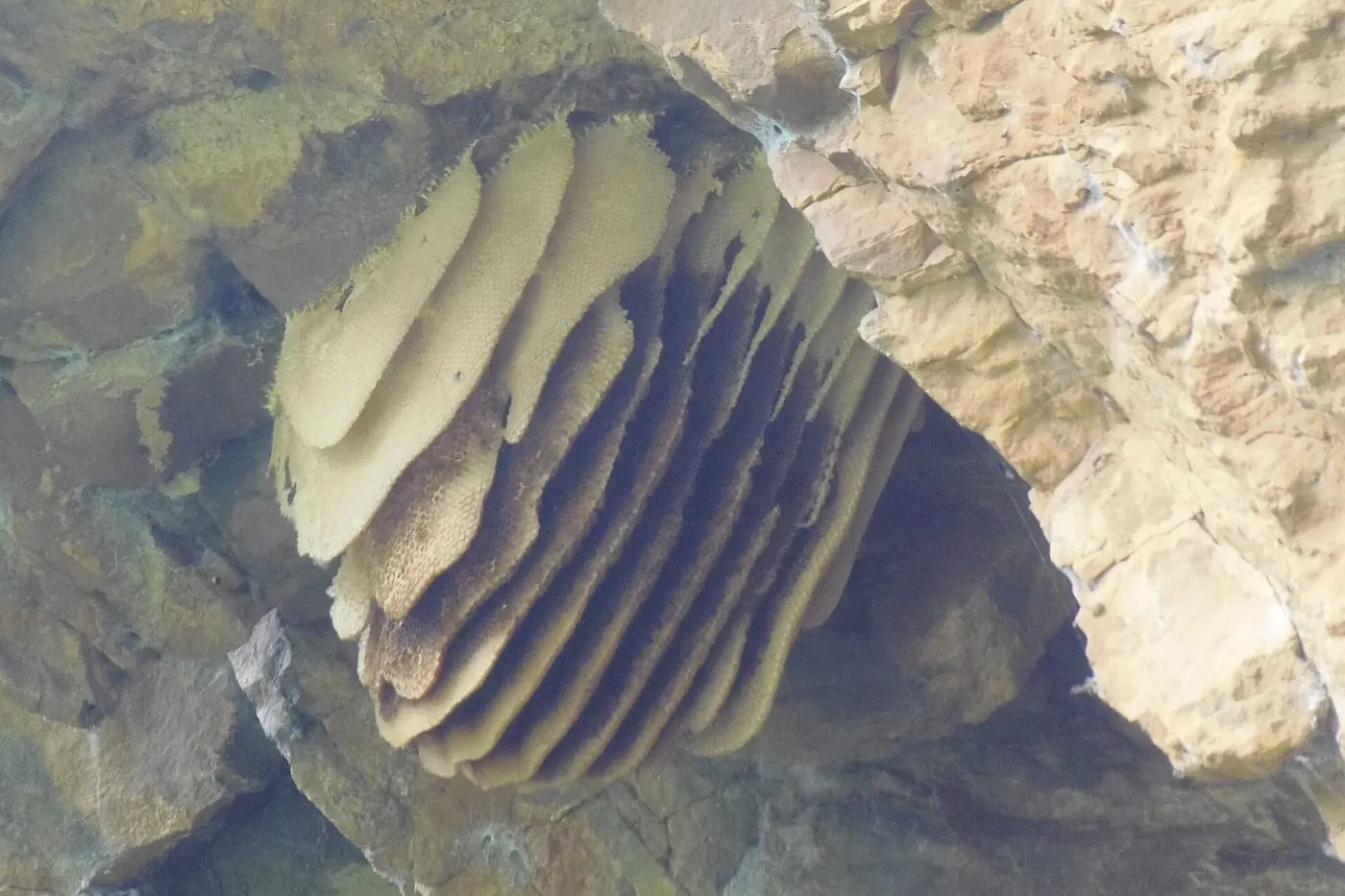
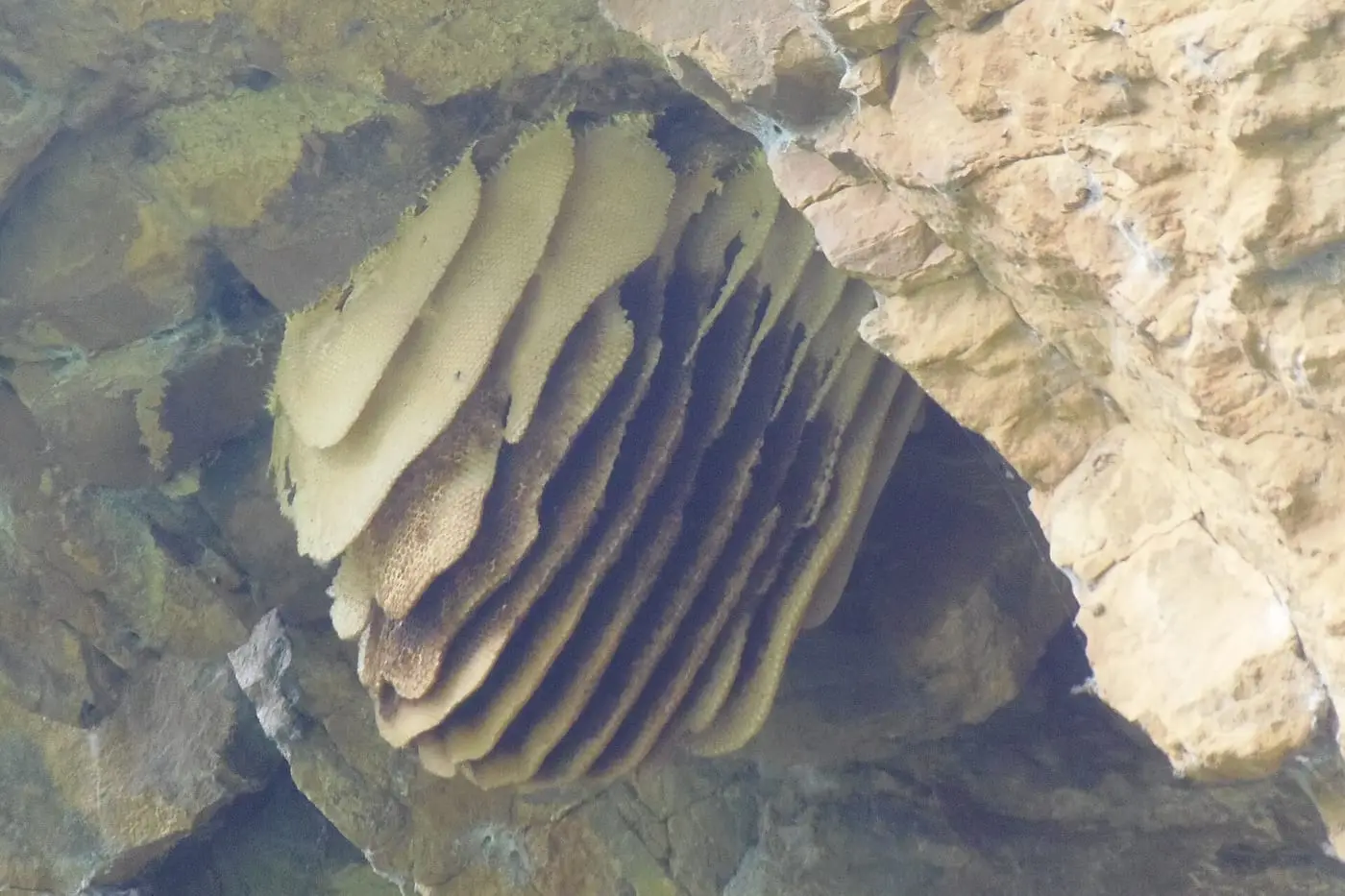
Honeycomb of the Sicilian black bee built into the rock
Ingredients

Sicilian honey

Origin: The Madonie and western Sicily

Sicily is home to the Sicilian black bee (Apis mellifera sicula), the purest subspecies in Europe and the one that copes best with the heat: from the Madonie comes the orange-blossom honey, pale and floral, and from the chestnut woods the dark, bitter one. The single-flower honeys — thyme, eucalyptus, wildflower — tell the story of every flowering on the island. The Sicilian black bee is protected by a Slow Food presidio active in the Madonie.

PDO and PGI are the European designations; DOC and P.A.T. are the Italian ones.

Where to buy and taste them

The products in this guide are found in four places: the market, the shop around the corner, the cellar and the parish feast. The rest is discovery.

At the market

The Ortigia market is about a kilometre away: stalls with fish, fruit, cheese, preserves and bread. It is the most honest place to understand what something costs and where it comes from.

From the shops

Pastry shops, grocery shops, wine bars: whoever produces locally often sells in town. Asking whether it is “from here” is the simplest question, and the right one.

From the cellars

The Avola DOC and the Marsala DOC have their own protection consortia: their channels give you the growers’ names and the vintages, and every bottle has a story.

At the festivals

The Pistachio Festival in Bronte in August, and the parish feasts, are the right occasion: you taste the product where it was born.

This site is not a shop

A&G Home does not take orders or payments: here you find a guide to Sicilian specialties, not a shopping cart. For your stay, the booking and the payment happen on Airbnb.

Message on WhatsApp Book on Airbnb